| University Type | Level | Tuition per Semester (KRW) | Approx. USD | Notes |
| Public University | Undergraduate | ₩2,000,000 – ₩5,000,000 | $1,500–3,800 | Core programs: fees vary by course and university |
| Public University | Graduate | ₩2,500,000 – ₩6,000,000 | $1,900–4,500 | Research-oriented programs; scholarships often available |
| Private University | Undergraduate | ₩3,500,000 – ₩7,000,000 | $2,600–5,300 | Professional or specialized programs may cost more |
| Private University | Graduate | ₩4,000,000 – ₩8,000,000 | $3,000–6,000 | Fields like medicine, engineering, or arts usually at higher end |
| Additional Fees | All Levels | Varies | Varies | Administrative, facility-use, or graduation fees may apply |
At most South Korean universities, there are two admission periods:
The applications to start studying in Korea are usually due 5-6 months before the start of the new semester.
Financing an international education can feel overwhelming, but we’re here to make the process simple and stress-free. Our dedicated Education Loan Support service helps students secure funding for studies across 30+ countries, ensuring financial requirements never stand in the way of global opportunities.
We work closely with a wide network of leading banks, financial institutions, and non-banking partners to offer flexible loan options tailored to each student’s academic goals, destination, and financial background. From collateral-free loans and competitive interest rates to streamlined application processes, we provide guidance at every stage—helping you compare lenders, understand eligibility, prepare documentation, and submit applications with confidence.
Whether you’re planning undergraduate, postgraduate, or professional programs abroad, our team ensures you receive personalized advice aligned with the financial norms of your chosen country. With transparent support and end-to-end assistance, we aim to reduce financial hurdles so you can focus on achieving your academic aspirations.
By empowering students with accessible and reliable funding solutions, we make studying in your dream destination not just possible, but practical. Let us help you take the next step toward a world-class education.*
South Korea offers a growing number of career opportunities for international graduates, especially in fields aligned with their studies. Sectors such as information technology, engineering, biotechnology, finance, education, and research have high demand for skilled professionals. Graduates with degrees in STEM (Science, Technology, Engineering, Mathematics) or business often find better employment prospects, particularly in multinational companies and Korean conglomerates like Samsung, LG, Hyundai, and SK Group.
Life as an international student in South Korea is exciting, diverse, and culturally rich. Cities like Seoul, Busan, Daegu, and Daejeon host large student communities, offering a mix of academic, social, and cultural experiences. Universities provide numerous clubs, sports teams, and cultural programs, allowing students to meet peers, develop new skills, and experience Korean traditions first-hand.
Students can enjoy Korea’s unique food culture, festivals, and entertainment, from street food markets and traditional performances to K-pop concerts and technology-driven attractions. Modern public transport and affordable student services make daily life convenient, while dormitories and shared apartments offer opportunities for socializing and forming lasting friendships.
Academic life is balanced with cultural immersion, volunteer programs, and internships, helping students grow personally and professionally. Overall, studying in South Korea provides an engaging, well-rounded lifestyle, combining high-quality education with the excitement of living in a technologically advanced and culturally vibrant country.



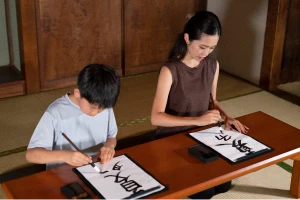
Korean Government offers many excellent scholarship opportunities to international students.




Required documents vary by university, but typically include:
Not always. Many programs are offered in English, especially at major universities. However, Korean-taught programs usually require TOPIK Level 3–4 or higher. Basic Korean is helpful for daily life, even if your program is in English.
Tuition depends on the university and major:
Yes. Popular options include:
You will need a D-2 Student Visa for undergraduate or graduate studies.
After receiving your admission letter, apply at the nearest Korean embassy or consulate with your passport, fee, and financial proof. Some students may also need an interview.
Yes. International students with a D-2 visa can work:
Common options include:
Monthly expenses depend on the city:
Yes. Students staying in Korea for more than six months must enroll in Korean National Health Insurance (NHI). This provides affordable medical coverage and is automatically billed monthly.
South Korea is considered very safe, with low crime rates and reliable public transport. Most university areas are student-friendly, and emergency services are efficient and accessible.
Yes. Graduates can apply for a D-10 Job Seeking Visa to find employment.
Once hired, you can switch to a work visa such as E-7, E-2, or other categories depending on your job.

Selecting the best country to study abroad can feel overwhelming, as each destination offers unique advantages. The right choice depends on your personal, academic, and socio-economic background.
Fill the form below for free consultation.