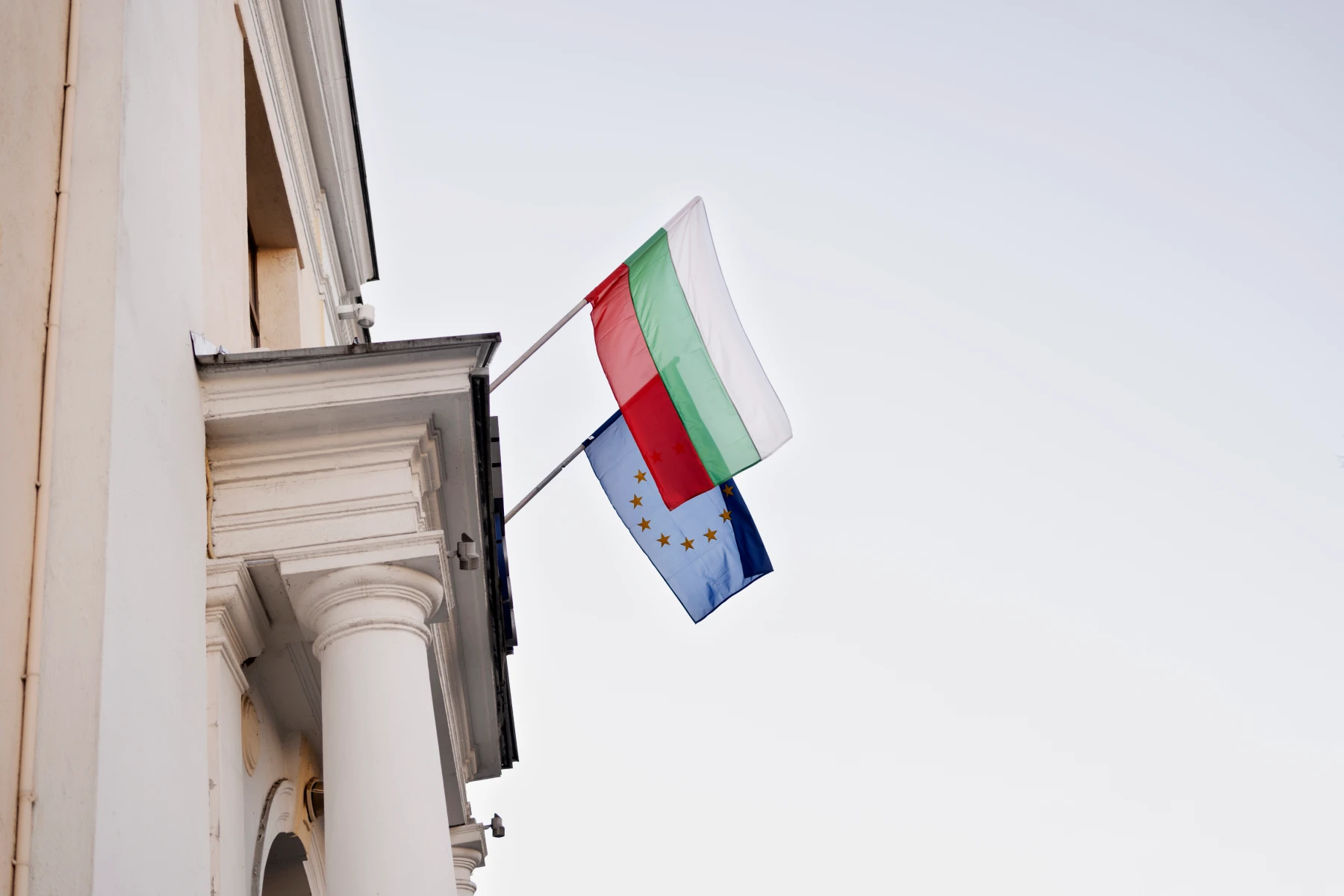
Hungary follows the European Bologna Process, making its degrees widely recognized across Europe and internationally.
Structure of Education in Hungary
Public Universities:
Private Universities:
Fall (September) intake, which is the primary one, and a Spring (February) intake which is secondary.
Usually, universities in Hungary don’t require a special type of international entry exam, such a GMAT or SAT. Many universities don’t even ask for an IELTS or TOEFL.
Depending on the language of instruction, a Hungarian language test may also be necessary
Hungary offers a robust system of education loan support for students, primarily through the state-owned Diákhitel Központ (Student Loan Centre).
As well as options via private banks and international lenders. Support is available for both domestic and, in many cases, international students.
Hungary can pursue post-study opportunities through a study-to-work permit
Study-to-Work Permit
International students in Hungary can find jobs in high-demand sectors like IT (software dev, cybersecurity), engineering, automotive, and healthcare, but also in hospitality (cafes, hotels), retail, tutoring (especially English), and call centres
Students can find scholarships and financial aid for studying in Hungary primarily through the Stipendium Hungaricum program, which is a government-funded scholarship covering tuition, accommodation, and a monthly stipend







Hungary offers affordable tuition fees, globally recognized degrees, a safe multicultural environment, and high-quality education, especially in Engineering, Medicine, Dentistry, IT, and Business.
Yes. Degrees from Hungarian universities follow the Bologna Process, making them widely recognized across Europe, USA, Canada, Australia, and Asia.
Most international programs are taught in English. Knowing Hungarian is optional but helpful for daily life.
Tuition varies by course and university:
On average €500 – €800/month, depending on city and lifestyle. Budapest is slightly more expensive.
Most universities require English proficiency such as:
Some universities allow waivers if previous education was in English.
Yes. Popular options include:
Yes. Students can work up to 24 hours per week during semesters and full-time during vacations
Yes. Graduates can apply for a 9-month Temporary Residence Permit for Job Search or Business Start, and later a work permit.
Some programs (especially Medicine, Dentistry & Engineering) require entrance tests or interviews.
Hungary is considered safe and student-friendly, with low crime rates and supportive campus environments.
Typically:
Yes. Options include:
Absolutely. Hungary is one of the top destinations for Medicine, Dentistry & Veterinary education in Europe with globally accepted degrees.

Selecting the best country to study abroad can feel overwhelming, as each destination offers unique advantages. The right choice depends on your personal, academic, and socio-economic background.
Fill the form below for free consultation.